
Continues after advertising
Discover the Power of Siri on Your iPhone
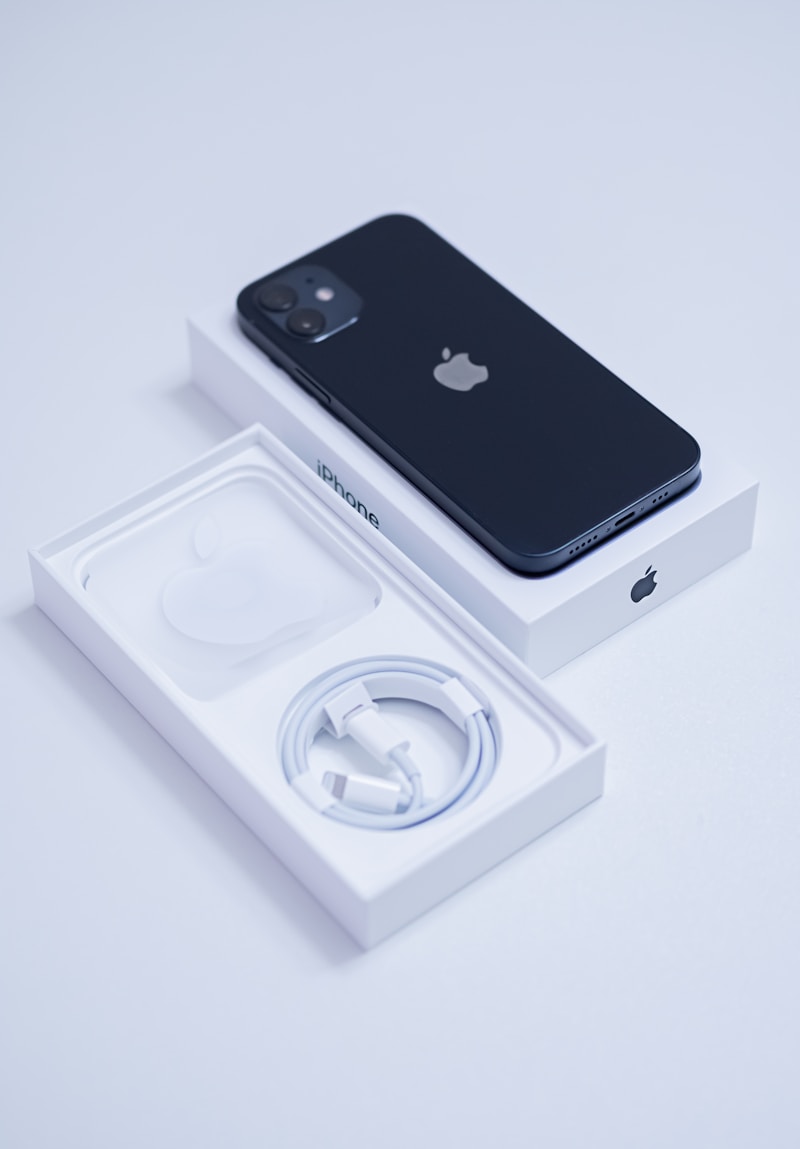
Get Siri App Now
The evolution of voice technology has transformed how we interact with our smartphones, and Siri stands at the forefront of this revolution. As Apple’s intelligent voice assistant, Siri has become an indispensable companion for millions of iPhone users worldwide, offering seamless integration with iOS devices and a constantly expanding range of capabilities that make daily tasks simpler and more intuitive.
Whether you’re a longtime iPhone user or just discovering the potential of voice-activated technology, understanding how to maximize Siri’s functionality can dramatically enhance your mobile experience. From setting reminders and sending messages to controlling smart home devices and accessing complex information, Siri has evolved into a sophisticated AI assistant that continues to learn and adapt to your needs. 🎯
Continues after advertising

What Makes Siri Apps Essential for iPhone Users
While Siri comes pre-installed on every iPhone, specialized Siri apps expand the assistant’s capabilities far beyond its default functions. These applications bridge the gap between Siri’s core features and third-party services, creating a more personalized and powerful voice control ecosystem on your device.
The beauty of dedicated Siri apps lies in their ability to customize shortcuts, automate complex workflows, and integrate with applications that Apple’s native assistant might not fully support. These tools transform Siri from a simple voice responder into a comprehensive digital assistant that understands context, remembers preferences, and executes multi-step commands with a single voice prompt.
Continues after advertising
Enhanced Voice Commands and Custom Shortcuts
One of the most compelling reasons to explore Siri apps is the ability to create custom voice commands tailored to your specific needs. Instead of being limited to Apple’s predetermined phrases, you can design personalized shortcuts that trigger complex actions across multiple apps simultaneously.
Imagine saying “Start my morning routine” and having Siri automatically turn off your alarm, read your calendar appointments, check the weather, start your coffee maker (if connected to HomeKit), and begin playing your favorite news podcast. This level of automation becomes possible through specialized Siri applications that understand conditional logic and multi-app integration.
How Siri Technology Has Evolved Over the Years
Since its introduction in 2011, Siri has undergone remarkable transformations. The early version could perform basic tasks like setting alarms and answering simple questions, but today’s Siri leverages advanced machine learning, natural language processing, and contextual awareness to deliver increasingly sophisticated responses.
The integration of neural networks has enabled Siri to understand accents better, recognize speech patterns more accurately, and provide contextually relevant answers based on your location, time of day, and previous interactions. Each iOS update brings refinements that make the assistant more conversational and less robotic in its responses. 🚀
Machine Learning and Personalization Features
Modern Siri apps incorporate on-device machine learning that protects your privacy while delivering personalized experiences. The assistant learns from your behavior patterns without sending sensitive data to external servers, creating suggestions that feel intuitive and timely.
This personalization extends to app suggestions, notification summaries, and predictive text recommendations. Siri might suggest calling a family member at the time you typically connect with them, or remind you to leave for an appointment based on current traffic conditions—all without explicit programming from you.
Setting Up and Optimizing Your Siri Experience
Getting the most from Siri requires proper configuration and understanding of its capabilities. The setup process goes beyond simply enabling “Hey Siri” voice activation; it involves training the assistant to recognize your voice, configuring privacy settings, and establishing which apps have permission to interact with Siri.
Start by navigating to Settings > Siri & Search on your iPhone. Here you’ll find options to enable voice activation, choose when Siri responds, and manage which apps appear in Siri suggestions. Taking time to customize these settings ensures that Siri works seamlessly within your workflow rather than feeling like an intrusive feature.
Voice Training for Improved Recognition
Voice training significantly improves Siri’s ability to understand your commands, especially in noisy environments or when using complex terminology. The setup wizard prompts you to speak several phrases, allowing Siri to analyze your vocal patterns, accent, and pronunciation quirks.
For multilingual users, Siri now supports language switching without manual configuration changes. You can speak to Siri in English for one command and switch to Spanish, French, or dozens of other supported languages for the next, making the assistant genuinely accessible to global users.
Practical Applications That Transform Daily Routines
The true value of Siri apps becomes apparent when you integrate them into your daily life. From morning wake-up routines to evening wind-down procedures, voice control can streamline countless activities that previously required multiple taps and app switches.
Consider the common scenario of leaving for work. Instead of manually checking weather, traffic, calendar events, and messages, a single Siri command can compile all this information into a brief spoken summary. Add control over smart home devices, and you can lock doors, adjust thermostats, and activate security systems—all while putting on your shoes. ⏰
Productivity Enhancements for Professionals
Business users find particular value in Siri’s ability to manage communications hands-free. Composing emails, scheduling meetings, setting reminders for follow-ups, and transcribing voice notes become effortless tasks that don’t interrupt workflow or require stopping other activities.
Integration with productivity apps like Todoist, Evernote, and Trello through Siri shortcuts means you can capture ideas, update project status, and check task lists using natural language commands. This voice-first approach to productivity helps maintain focus while ensuring important information isn’t lost.
Privacy Considerations When Using Voice Assistants
Privacy concerns rightfully accompany any discussion of voice-activated technology. Apple has positioned Siri as a privacy-conscious alternative to competing assistants, implementing several architectural choices that protect user data while maintaining functionality.
Most Siri processing happens directly on your iPhone rather than being transmitted to cloud servers. This on-device intelligence means your voice commands, personal information, and usage patterns remain local to your device. When cloud processing is necessary, Apple anonymizes the data and doesn’t link it to your Apple ID. 🔒
Managing Data Collection and Storage
You maintain control over what Siri remembers and accesses. The Siri & Search settings allow you to delete your Siri history, disable personalized suggestions, and restrict which apps can contribute information to Siri’s knowledge base.
For maximum privacy, you can disable cloud-based Siri features entirely, though this limits functionality to purely on-device processing. This transparency and control distinguish Apple’s approach from competitors who rely more heavily on cloud-based processing and data collection.
Integration With Third-Party Applications
The SiriKit framework enables developers to integrate their apps with Siri, exponentially expanding what voice commands can accomplish. Categories like messaging, payments, ride-booking, photo search, and workouts have deep Siri integration that feels native rather than bolted on.
When an app supports SiriKit, you can perform its core functions entirely through voice commands. Order food delivery, request rideshares, send money to friends, or start specific workout routines—all without opening the respective apps manually. This ecosystem approach makes Siri more versatile than voice assistants limited to first-party functionality.
Creating Custom Shortcuts for Any Task
The Shortcuts app represents Apple’s most powerful tool for Siri customization. This visual programming environment lets you chain together actions from multiple apps, creating sophisticated automation that responds to voice commands, time triggers, location changes, or other conditions.
You can design shortcuts that require no coding knowledge, simply dragging and dropping actions in sequence. More advanced users can incorporate conditional logic, variables, and loops to create genuinely intelligent automations that adapt to different circumstances.
Accessibility Features That Make iPhones More Inclusive
Siri serves as a crucial accessibility tool for users with visual impairments, motor limitations, or other challenges that make traditional touchscreen interaction difficult. Voice control provides an alternative interface that makes iPhone functionality accessible to a broader range of users. ♿
Features like Voice Control go beyond Siri’s conversational interface, allowing complete device navigation through spoken commands. Users can tap interface elements, scroll pages, type text, and perform gestures entirely through voice, transforming the iPhone into a fully accessible device regardless of physical ability.
Assistive Technologies Working Alongside Siri
Siri integrates seamlessly with other iOS accessibility features like VoiceOver, Switch Control, and AssistiveTouch. This layered approach ensures that users can combine technologies in ways that best suit their individual needs rather than being forced into a one-size-fits-all solution.
The Type to Siri feature allows users who prefer not to speak or cannot speak to interact with the assistant through typing. This maintains the convenience of Siri’s contextual understanding and execution capabilities while accommodating different communication preferences and abilities.
Troubleshooting Common Siri Issues
Despite its sophistication, Siri occasionally encounters problems that frustrate users. Understanding common issues and their solutions helps maintain a smooth voice assistant experience without requiring technical support.
Connection problems represent the most frequent complaint, typically manifesting as “I’m having trouble connecting to the network” errors. These usually stem from poor internet connectivity rather than Siri malfunctions. Checking your WiFi or cellular connection often resolves the issue immediately.
Voice Recognition Problems and Solutions
When Siri consistently misunderstands commands, retraining voice recognition often helps. Delete your current voice profile in Siri settings and complete the setup process again, ensuring you’re in a quiet environment that allows clear recording of the training phrases.
Microphone obstructions or damage can also cause recognition issues. Ensure your iPhone’s microphone ports are clean and unobstructed. Testing with headphones that include a microphone can help determine whether the problem is hardware-related or software-based.
The Future of Voice Assistant Technology
Artificial intelligence advancements promise to make Siri increasingly conversational, contextually aware, and proactive. Future iterations will likely anticipate needs before you articulate them, understand complex multi-turn conversations, and seamlessly coordinate between devices in the Apple ecosystem. 🔮
Integration with augmented reality, as Apple develops its AR platforms, could enable Siri to provide contextual information about physical surroundings. Imagine pointing your iPhone at a restaurant and asking Siri for reviews, menu highlights, and reservation availability—all processed in real-time with visual overlays.
Emerging Capabilities in iOS Updates
Each iOS release brings new Siri capabilities that expand its utility. Recent updates introduced announce notifications with AirPods, allowing Siri to read incoming messages automatically. Enhanced translation features support real-time conversation translation across dozens of languages.
The trajectory suggests movement toward a true digital assistant that understands not just commands but intent, context, and nuance. As natural language processing improves, interactions with Siri will feel increasingly like conversations with a knowledgeable companion rather than instructions to a computer program.
Maximizing Battery Life While Using Voice Features
Voice-activated features can impact battery life, particularly when “Hey Siri” remains constantly listening for wake phrases. Understanding how to balance convenience with power consumption helps maintain all-day battery life while keeping voice control accessible.
The “Hey Siri” feature uses a low-power processor that minimizes battery drain, but disabling it when unnecessary—like during meetings or sleep—preserves additional power. Alternatively, you can rely on press-and-hold activation using the side button, which eliminates always-on listening while maintaining quick access to Siri. 🔋
Comparing Siri Apps Available in the App Store
While many apps claim to enhance Siri functionality, quality varies significantly. The best Siri companion apps focus on specific use cases—like creating advanced shortcuts, integrating with smart home systems, or providing specialized voice commands for particular workflows.
When evaluating Siri apps, consider developer reputation, user reviews focusing on actual functionality (not just ratings), update frequency indicating ongoing support, and privacy policies explaining data handling. Free apps with in-app purchases often provide sufficient functionality for most users, while premium options cater to power users requiring advanced features.
Essential Features to Look for in Siri Enhancement Apps
Quality Siri apps should offer intuitive interfaces for creating custom commands, reliable execution without frequent failures, and clear documentation explaining capabilities. Integration with popular services and apps you already use adds value by centralizing control through voice commands.
Community-shared shortcuts represent another valuable feature, allowing you to download and customize automations created by other users. This collaborative approach accelerates the learning curve and exposes you to creative uses you might not have considered independently.
Making Siri Work Across Your Apple Ecosystem
The real power of Siri emerges when used across multiple Apple devices—iPhone, iPad, Apple Watch, Mac, HomePod, and AirPods. Continuity features allow you to start tasks on one device and seamlessly continue on another, with Siri maintaining context throughout. 🍎
Handoff enables you to begin composing an email via Siri on your iPhone during your commute, then complete it on your Mac when you arrive at your desk. Your Apple Watch can trigger HomeKit scenes that your HomePod acknowledges, creating a cohesive smart home experience controlled from any device.
Cross-Device Shortcuts and Automations
Shortcuts created on your iPhone automatically sync to your other Apple devices through iCloud, meaning custom voice commands work identically regardless of which device you’re using. This consistency eliminates the need to remember different commands for different devices.
Location-based automations can trigger across devices simultaneously. Arriving home might unlock your door (via iPhone), announce you’re home (through HomePod), and adjust lighting (controlled by iPad)—all from a single geofence trigger recognized by your Apple Watch.
Teaching Siri New Skills Through Regular Use
Siri’s machine learning capabilities mean the assistant improves the more you use it. Regular interaction helps Siri learn your pronunciation of names, understand your speech patterns, and recognize which suggestions are most relevant to your lifestyle.
Correcting Siri when it misunderstands contributes to this learning process. If Siri sends a message to the wrong contact, tapping “No” and selecting the correct recipient teaches the system about your preferences and pronunciation, reducing similar errors in the future.
The key to unlocking Siri’s full potential lies in consistent use across various scenarios. Experiment with different command phrasings, explore new categories of tasks, and gradually incorporate voice control into more aspects of your daily routine. Over time, this investment in voice-first interaction pays dividends in convenience and efficiency that transform how you experience your iPhone. 🌟
As voice technology continues advancing, staying informed about new capabilities and regularly updating your approach to using Siri ensures you’re maximizing the value of this powerful tool. Whether you’re a casual user appreciating basic conveniences or a power user automating complex workflows, Siri represents a gateway to more intuitive, efficient smartphone interaction that aligns with how humans naturally communicate.
